Every operator knows the feeling of watching a small window of opportunity slowly close.
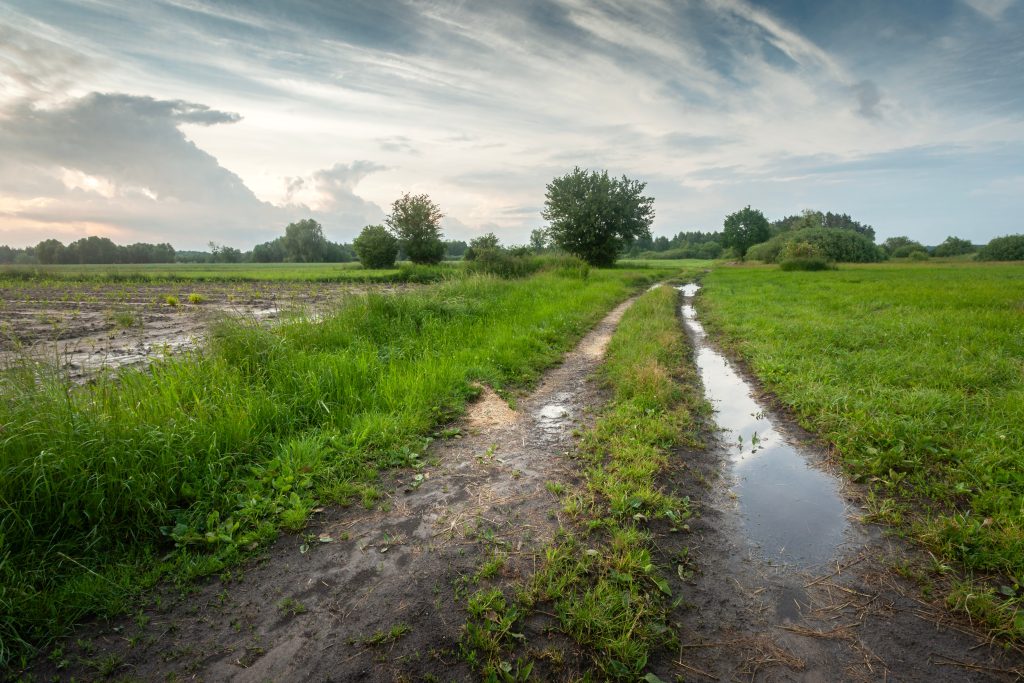
The timing is right. The crop is ready. But the forecast is turning, the ground is soft, and every passing hour increases the risk of missing the ideal application window altogether.
For Canadian agriculture, wet field conditions are more than an inconvenience. They can create serious operational delays, missed opportunities, crop damage, and frustrating decisions that impact the rest of the season.
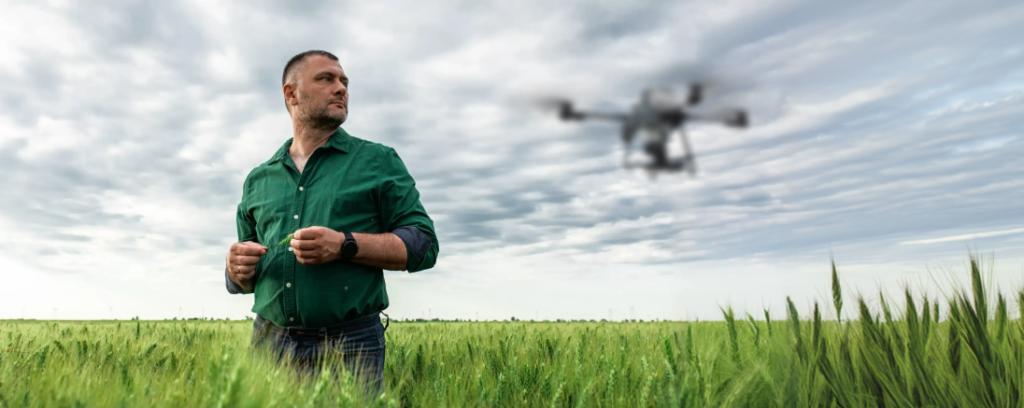
That is one of the reasons Green Aero Tech and other leaders in precision agriculture technology are seeing growing interest in agriculture spray drone systems across Canada.
What was once viewed as emerging technology is quickly becoming a practical consideration for operators looking for more flexibility during wet field conditions, tighter application windows, and increasingly unpredictable weather patterns.
The Problem With Wet Conditions
Traditional spraying and spreading methods depend on large, heavy equipment physically moving through the field. But when conditions turn wet, operators are often backed into a corner.
They can wait for the field to dry and risk missing a critical application window, or push forward anyway and risk compaction, rutting, crop damage, stuck equipment, and long-term impact to the soil itself. Neither option is good for productivity, efficiency, or the health of the field.
And in Canadian agriculture, where weather patterns can shift quickly and timing windows are often tight, delays become expensive fast. Every additional day waiting for conditions to improve can impact crop health, operational schedules, labour planning, and overall efficiency.
This is where agriculture spray drones create a completely different operational advantage.
Drones Stay Off the Ground
One of the biggest advantages drones offer during wet conditions is their ability to work without ever touching the field itself.
Because agricultural drones operate from above, operators can continue applications without driving heavy machinery through soft or saturated ground. That means no tire tracks cutting through the crop, no deep rutting, significantly less compaction, and far less disruption to the field overall.
Instead of waiting for the field to become accessible, operators can often continue working while protecting both the crop and the soil beneath it.
That flexibility becomes especially valuable during narrow application windows where timing matters just as much as coverage.
For many operators using crop spraying drone services, that ability to stay moving during difficult conditions is becoming one of the technology’s biggest advantages.
Less Crop Damage. More Precision.
Traditional ground rigs inevitably disturb crops simply by moving through them. In wet conditions, that disruption often becomes worse. Heavy equipment can flatten crops, damage rows, and create inconsistent field conditions that remain visible long after the application is complete.
Drones reduce a lot of that disruption because they apply from above and minimize physical interference with the field while still delivering targeted and precise applications.
That is one of the reasons more operators are beginning to view precision farming drone services as more than just an alternative application method. In the right situations, they are becoming a practical operational advantage.
This is especially important during herbicide spray drone services, fungicide spray drone services, pesticide spray drone services, and desiccation drone services where timing and field access can make a significant difference.
The goal is not just getting the job done, it is getting the job done with less disruption to the field itself.
Timing Windows Matter More Than Ever
Agriculture has always been about timing, but tighter margins, changing weather patterns, labour shortages, and rising input costs are putting even more pressure on operators to move quickly when conditions are right.
Wet conditions can shut down traditional operations fast, especially when operators rely entirely on ground equipment.
Drones help create flexibility.
Instead of losing valuable days waiting for conditions to improve, operators can often respond faster and maintain momentum during narrow application windows. And in Canada, where weather conditions can shift dramatically from one day to the next, that flexibility matters.
The ability to act quickly without damaging the field can mean the difference between staying ahead of the season or constantly trying to catch up.
Wet Fields Aren’t Going Away
If anything, unpredictable weather patterns are becoming more common.
Operators across Canada are increasingly dealing with heavier rain events, longer winter periods, shorter application windows, changing seasonal timing, and inconsistent field conditions. That means adaptability is becoming more valuable than ever.
Agricultural drones are helping operators build that adaptability into their operations. Drones aren’t replacing every traditional system, but they are solving specific operational problems exceptionally well. Wet field access is one of those problems.
As adoption continues to grow, many operators are also beginning to explore aerial mapping drone services, agricultural drone mapping services, crop monitoring drone service tools, and other forms of precision agriculture technology that support better operational planning.
The Right Equipment Is Only Part of the Equation
As drone adoption grows across Canada, operators are realizing that support and training matter just as much as the equipment itself.
Understanding regulations, application strategy, maintenance, software, batteries, and operational planning all play a role in long-term success. That is why choosing the right agriculture drone company or spray drone dealer matters.
At Green Aero Tech, we believe drones should simplify operations, not complicate them. To us, this means helping operators understand where agriculture drone solutions provide the most value, how to integrate them properly, and how to operate confidently during difficult conditions through proper drone training for agriculture and agricultural drone operator training.
The future of agriculture is not about replacing everything overnight, instead, it’s about building smarter, more flexible operations that can adapt when conditions change.
And when the field is too wet to drive, drones provide a way to keep moving forward.