6 Days Left: Save Up to $2,000 on the DJI Agras T50!
Farmers across the country are upgrading their spray game—and for good reason.
Right now, Green Aero Tech is running a limited-time flash sale on the DJI Agras T50, and it’s your chance to save up to $2,000 on the most advanced spray drone on the market.
But don’t wait—this offer ends June 30, and once it’s gone, it’s gone.
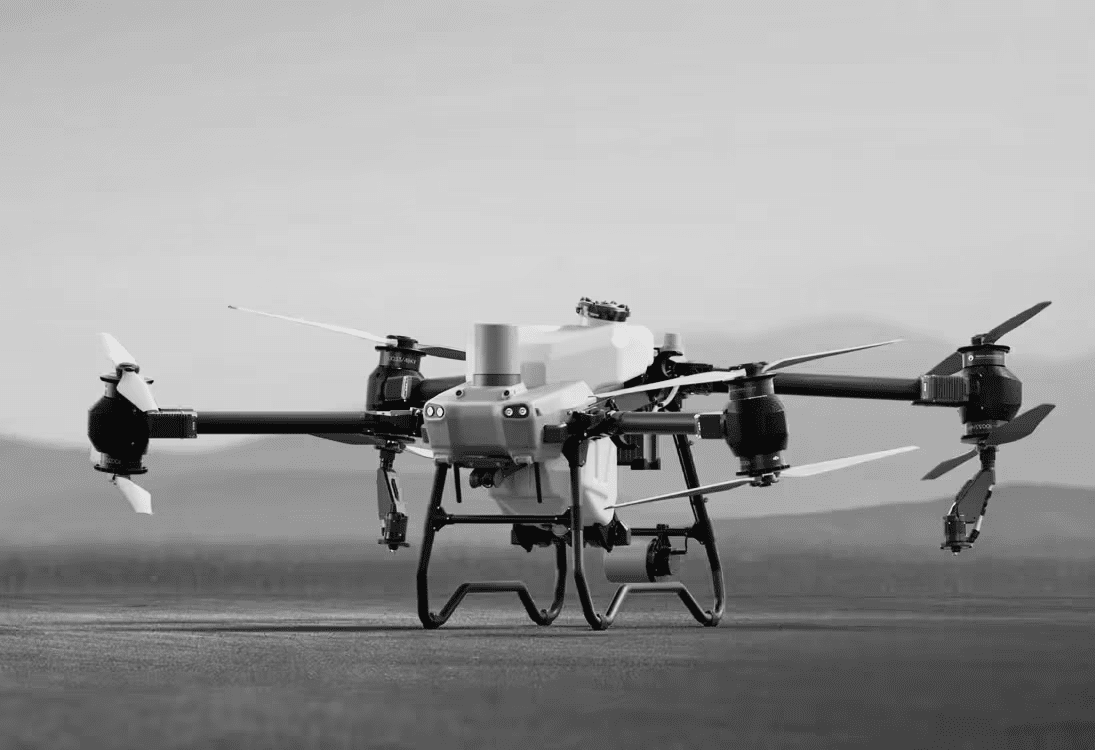
Meet the DJI Agras T50: Precision Power for Today’s Farms
Swapping batteries and tanks fast
Built for both spraying and spreading
Active obstacle avoidance with terrain following
Spraying at 40 acres/hour speed
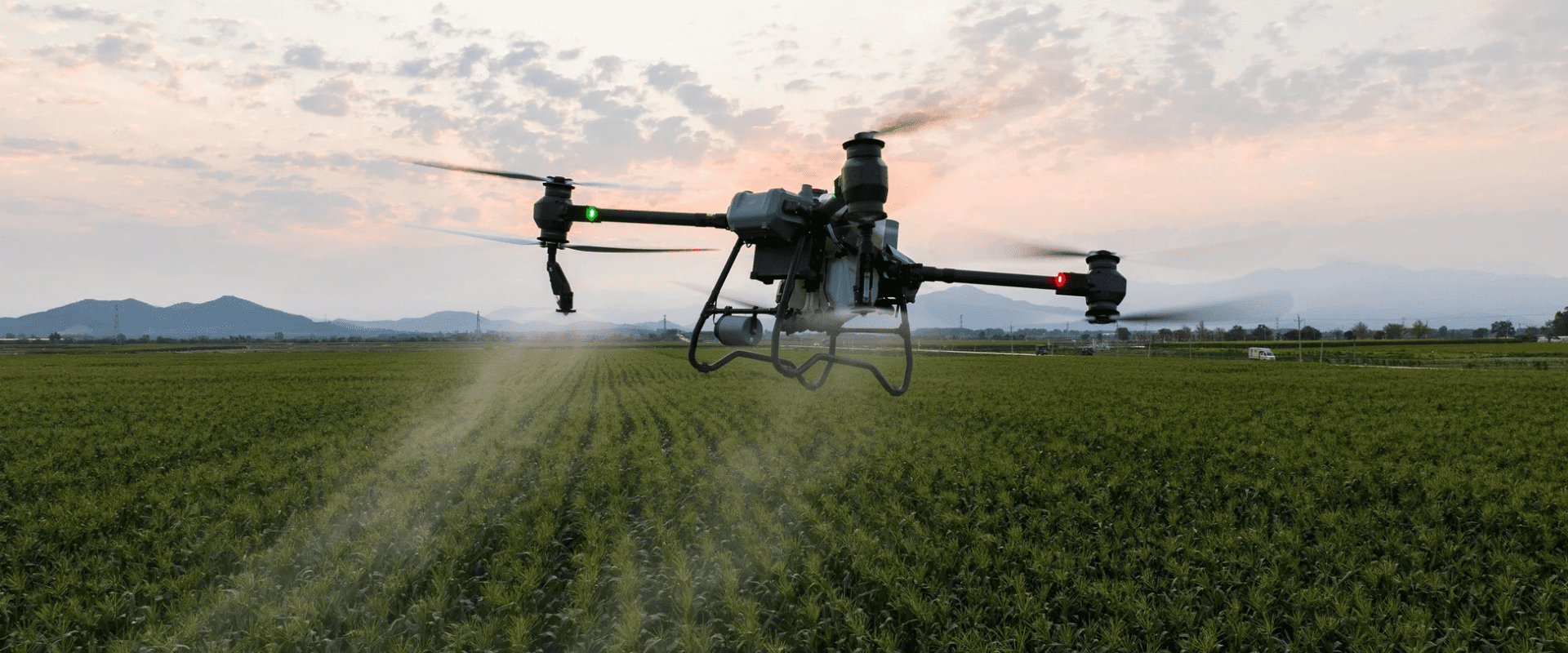
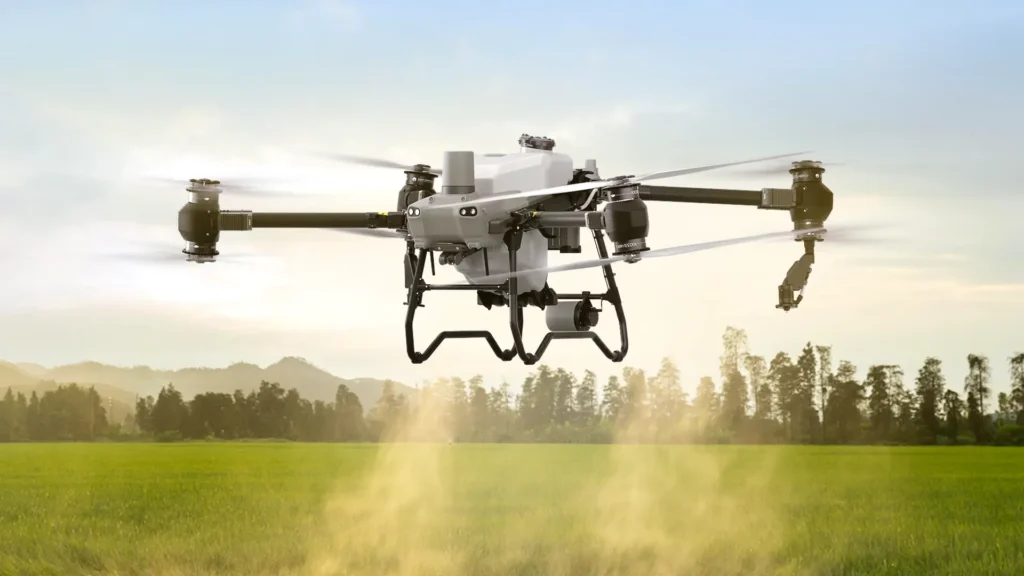
The DJI Agras T50 is designed to thrive in real-world farm environments—handling rugged terrain, long hours, and tough crop conditions with ease. With a spray capacity of 40 acres per hour and rapid swap systems for tanks and batteries, it keeps your workflow moving without bottlenecks. Precision-engineered for high-efficiency performance, it delivers consistent coverage and minimal downtime, making it a powerful asset for farms of any scale.
Here’s what makes it a game-changer
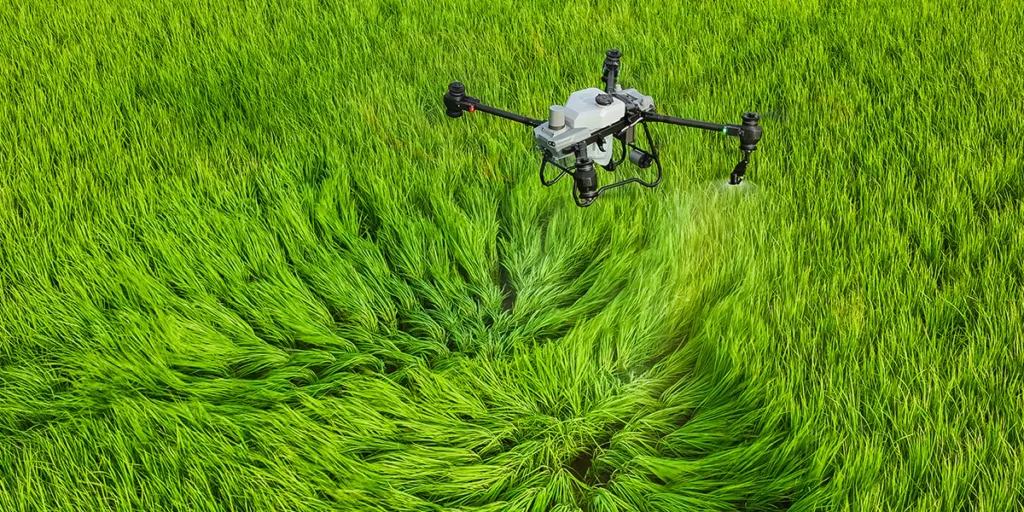
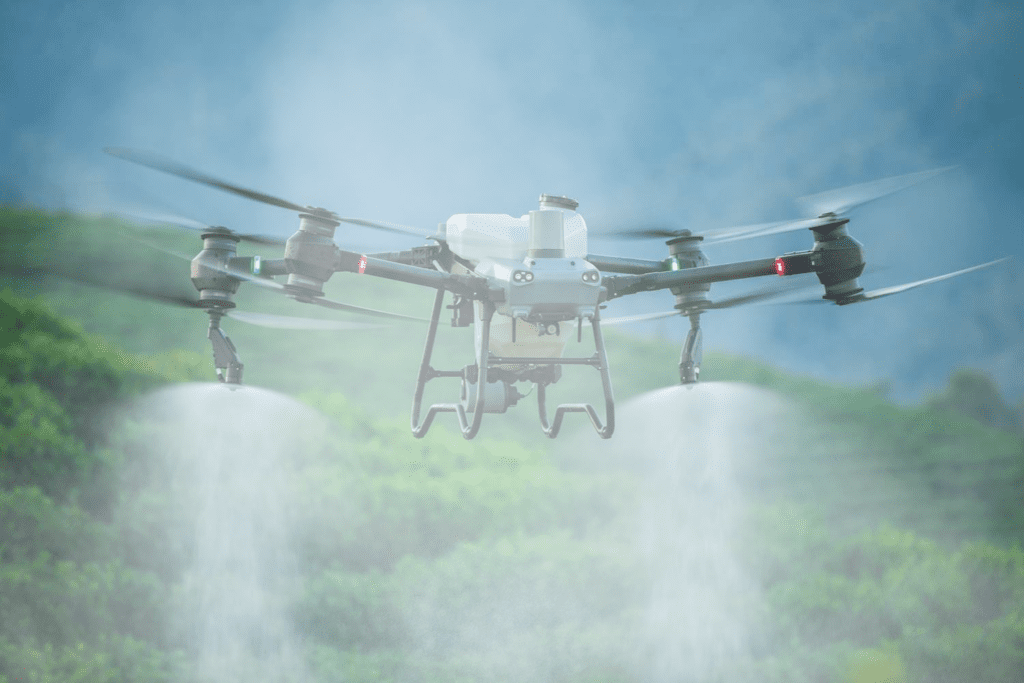
Dual Atomizing Sprinklers – Even coverage with smaller droplet sizes for reduced drift and better canopy penetration
Flight Speed of 21 km/h – High output with incredible efficiency
40-Acre-per-Hour Capacity – Spray large fields in record time
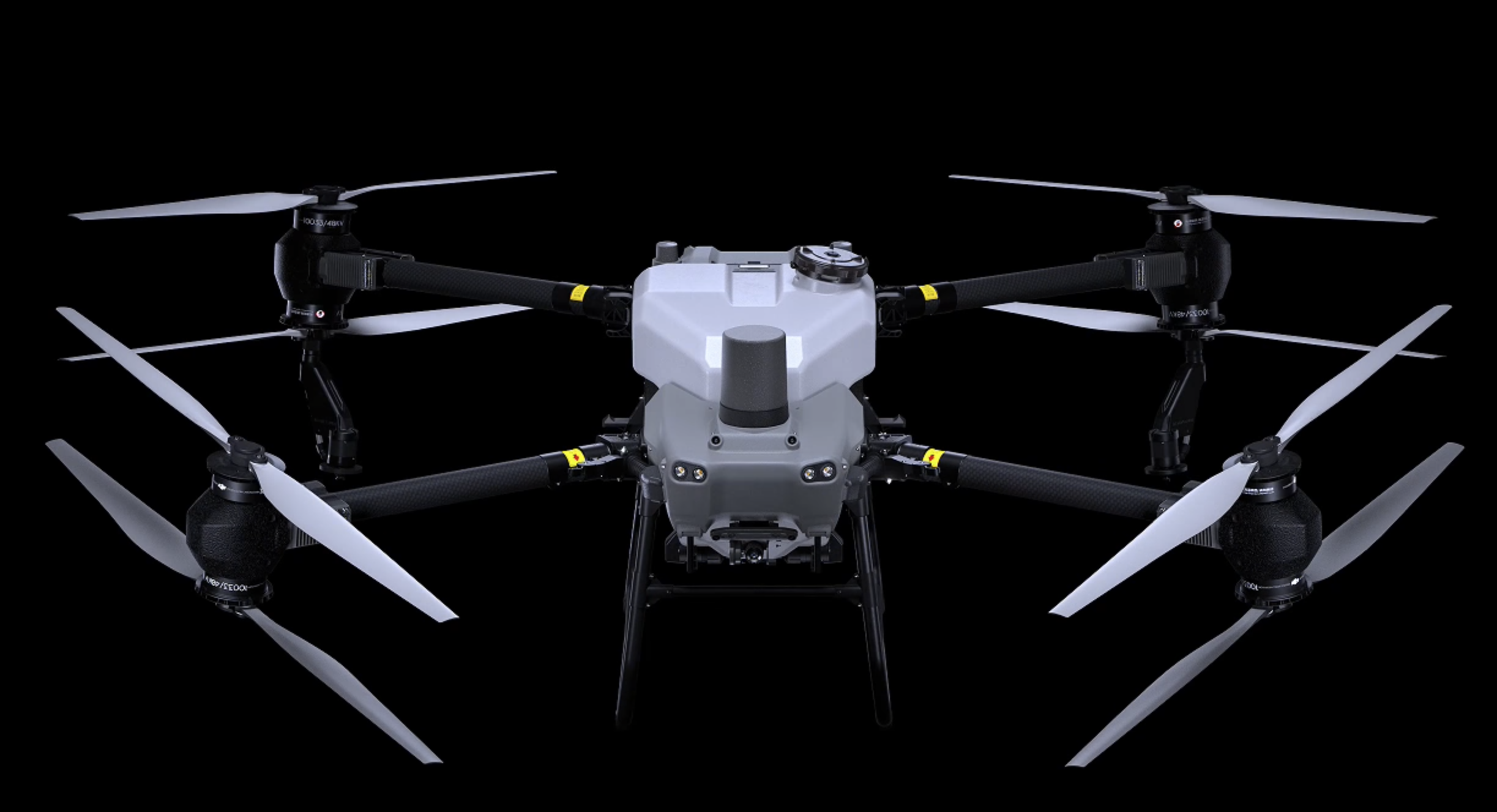
Active Phased Array + Binocular Vision – Industry-leading obstacle sensing and terrain following
Up to 40 kg Spray Payload – Carry more and stop less
Fully Autonomous Routes – Smarter flights with less operator fatigue
Optimized for Canadian Farms – Handles swaths, fence lines, tree belts, and irregular topography with ease
What Does “Up to $2,000 Off” Mean?
We’re knocking $1,000 off the T50’s price for every customer—no strings attached. Bonus savings are available when you bundle accessories or services with your drone purchase.
Only 6 Days Left—Don’t Miss Out
This is your moment to level up your spraying operation and put the most advanced drone in the field—for less.
Whether you’re already flying drones or just starting out, the DJI Agras T50 gives you more control, more precision, and more acres per hour.
The DJI Agras T50 is big, fast, and powerful. It’s got a 10-foot wingspan, can fly at 36 kilometers an hour, and weighs up to 227 pounds. That’s great for efficiency—but it also means this isn’t the kind of drone you casually fire up in the backyard for fun.
At Green Aero Tech, we treat our spray drones the same way we treat our tractors, sprayers, or combines: with a healthy dose of respect. In this post, we’re going to share the top safety tips we follow every single time we fly.
First Rule: Act Like It’s Farm Equipment—Because It Is
Just because it flies doesn’t mean it’s not a machine. Treat your T50 like you would a high-clearance sprayer:
Don’t use it when you’re impaired (yep, that includes being overtired or on cold meds).
Don’t fly for fun—make sure you are using your drone with a purpose.
Don’t fly around people or animals that aren’t part of your spraying crew.
And definitely don’t fire it up just to impress your in-laws at the family BBQ. They should already know you’re cool.
Takeoff and Landing: Give It Space
The T50 needs about 30 feet of clear area to safely take off and land. You won’t always get that luxury, especially when you’re tucked between water tanks and trucks—but at minimum, make sure:
There’s a clear vertical path (no overhanging trees or power lines).
No one is standing near the drone.
You’ve thought through how the drone will get in the air—and get back down.
Here’s a tip we use: rotate the drone to face away from you before takeoff or landing. That way, if you’re flying manually your stick inputs match what you see, and it’s easier to stay in control.
Visual Line of Sight (VLOS): More Than a Rule—It’s Just Smart
Transport Canada requires you to keep your drone in sight at all times. But this isn’t just a legal thing—it’s good sense.
The T50 has limited battery life (around 10 minutes per charge). If you lose visual contact over a hill or behind trees, you might not make it back in time to land safely. Keep it in view. Always.
Interference Zones: Avoid Metal Monsters.
Drones and big metal objects don’t mix well. We’ve seen GPS signals go haywire near grain bins with less than happy results for the drone.
If you’re parking your trailer next to a bin yard or flying between two combines, rethink your launch point. A simple rule: stay at least 100 feet away from large steel objects when possible, and especially don’t fly through tight spaces between them.
And never, ever rely solely on obstacle avoidance around complex structures like bins or treelines. Plan your flight path smartly.
Stay Off Other People’s Land
You wouldn’t spray a neighbour’s field with a ground rig without permission, so don’t do it with a drone either.
Spray drones don’t coast for 30 minutes—they’ve got a short window and may need emergency landings. That means you need permission to fly and access to retrieve your drone if something goes wrong.
And if you did need to carry your drone out of a field remember these bad boys can weigh well over 150 lbs when loaded. Save yourself the visit to the chiro.
Keep Non-Crew Away
The T50 might fascinate your kids, but this is not a spectator sport.
Make it a hard rule: no one near the drone unless they’re part of the spraying operation. That includes your curious neighbour, your niece with her phone camera, or the family dog. This thing weighs over 200 pounds loaded—nobody needs to be nearby if something unexpected happens.
Respect the Power (Literally)
This drone runs on serious power. Never:
Touch or clean the battery while it’s powered on.
Leave the controller or charging cables exposed to the weather.
Hose down or pressure wash your batteries.
Lithium battery fires are rare—but real. Always store, charge, and transport your batteries safely. (And yes, we’ll do a full post on battery safety soon.)
Your Best Safety Tool? You.
At the end of the day, no amount of sensors, radar, or AI replaces good judgement.
If something feels off—stop.
If the weather changes—wait.
If you’re distracted—don’t fly.
Spray drones are one of the most efficient tools in modern agriculture, but they also demand respect and responsibility.
Summary: Safety Tips Checklist
30 feet of clearance for takeoff/landing
Always keep the drone in sight
Stay clear of steel structures and power lines
Don’t fly over property you don’t have access to
Keep bystanders, kids, and animals away
Watch your batteries, props, and cables
Use common sense—it’s your best safety system
Flying a spray drone isn’t hard—but it does take discipline. Treat your T50 like the serious tool it is, and it’ll serve you well for years to come.
Want a printable version of our spray drone safety checklist? Just let us know and we’ll send one over.
Spray drones are one of the most exciting innovations in modern agriculture. They’re fast, precise, and powerful. But as more farmers look to buy them, more shady sellers are showing up—and not all drones are what they seem.
If you’ve been shopping around online and find a DJI Agras T50 for way less than everyone else is selling it for, you might be looking at what’s called a grey market drone.
Let’s talk about what that means—and why it’s almost always a bad idea.
What Is a Grey Market Drone?
A grey market drone is one that’s sold outside of authorized channels. These drones are often:
Purchased overseas and imported unofficially
Sold through third-party platforms like Alibaba, eBay, or Telegram groups
Brought into Canada second-hand with no service history
Sold by people pretending to be official DJI dealers
At first glance, they can look just like a regular T50. But looks can be deceiving.
Why Are They Cheaper?
Simple. They cut corners.
These sellers aren’t required to provide warranty, offer support, or even carry parts. Heck, they can’t even get access to genuine DJI parts.
And most importantly, they’re not accountable when something goes wrong.
So yes, they might knock $3,000 off the price tag. But they’re also knocking off the training, service, and peace of mind that you’ll actually be able to use your drone when spraying season hits.
The Real Danger: It Might Not Fly at All
Here’s what most buyers might not realize. DJI spray drones are region-locked.
Each drone is built for a specific country. DJI uses GPS locations to make sure it’s being operated where it’s supposed to be.
If a drone is brought into Canada that was meant for Thailand or Brazil or even the United States—it might work at first. But the moment you update the firmware, the drone will detect the mismatch.
And when it does? It bricks itself.
We’re not joking. The drone will lock up, refuse to fly, and you’ll be left with a $37,000 paperweight.
No warranty. No support. No refund.
That’s why so many grey market sellers tell you not to update the firmware. If someone says that, you need to run, not walk away. Firmware updates contain critical safety fixes, improvements to efficiency, and software upgrades. Skipping them puts your drone and your crop at risk.
No Warranty. No Parts. No Help.
If your drone was purchased outside DJI’s approved channels, you will not have a valid warranty.
If something breaks, you can’t get it serviced through DJI and that means no access to their vast after sales team and knowledge base.
If you need parts, you’ll have to hope the seller maybe has a stash—and knows what they’re doing. Most don’t.
Authorized dealers have access to:
Official service portals
DJI-certified repair parts
Training resources
Priority support lines
Grey market sellers have none of that.
What If You Want to Sell or Trade It?
That’s another trap.
All DJI drones have serial numbers which can and will be checked if you ever want to upgrade or trade it in. And you will likely find that no dealer will take it. Buyers won’t trust it. And, for sure, DJI won’t recognize it.
In short—you’re stuck.
What If I’ve Already Bought a Grey Market Drone?
If you’re reading this and realizing you may have already bought a grey market drone—be kind to yourself. You didn’t do anything wrong.
Our advice? Contact us directly. We would be happy to assist you and to help find any options that you have available to you.
Send us your serial number, a copy of your purchase paperwork, and any details you have about where and how the drone was acquired.
We’ll reach out to DJI on your behalf and see what’s possible. In some cases, DJI may allow the drone to be registered to a Canadian account. In others, there may be firmware or region fixes available. Not every case is fixable—but it’s worth checking before giving up.
More importantly, we’ll help you get as much value as possible from your system. That might include:
Creating a customized training plan
Offering operational support (even without warranty)
Advising you on safe flying, spraying, and maintenance
Helping you avoid further damage or data loss
We’re here to support the ag community. Mistakes happen. Let’s see if we can make the best of it.
How to Spot a Scam
Not sure if the deal you’re looking at is legit? Here are some red flags to watch for:
They tell you not to update the firmware
They can’t provide an official DJI invoice
They won’t charge GST or give a business number
They’re not affiliated with an official DJI distributor
They ask for sketchy payment methods like crypto or cash only
They can’t explain Transport Canada rules
Their business is vague, hard to trace, or non-existent in Canada
Make sure that your dealer is working with one of these people. If they’re not on that list, they aren’t a real dealer—and you’re on your own if something goes wrong.
Final Thought: Cheap Isn’t Always a Deal
Spray drones are serious tools. They’re not toys, and they’re not disposable. Saving a couple thousand upfront isn’t worth it if the drone stops working, can’t be repaired, or loses access to updates that affect your safety and performance.
Buying from a legit dealer means:
You get full warranty coverage
You get post-sale training and support
You can update firmware without fear
You can call someone for help when something breaks
You’re backed by the DJI network
There are already enough variables when it comes to spraying—don’t let your drone be one of them.
Have questions about grey market drones or need help verifying a dealer? Reach out. We’ve seen all the tricks, and we’re happy to help you buy with confidence.
When you first get your hands on a DJI Agras T50, you might be tempted to focus on the specs—40 acres an hour! Atomizing nozzles! RTK precision! And fair enough—it’s an impressive machine.
But here’s the truth: no matter how advanced your drone is, weather still runs the show.
If you’re coming from ground rigs or aerial applicators, you already know this. Weather is the boss, and your job is to work with it, not against it.
Let’s break down what kind of conditions you should actually be spraying in—and when you’re better off waiting it out.
Wind: Just Because You Can Fly Doesn’t Mean You Should
The T50 is rated for wind speeds up to 10 meters per second (that’s about 36 km/h). And yep, we’ve flown it in much gustier conditions than that. It’ll hold its position, burn through the battery a little faster, and keep on trucking.
But here’s the thing: your spray doesn’t handle the wind as well as your drone.
Spraying in strong wind is basically like trying to mow the lawn in a tornado. You might technically be “covering ground,” but your results will be all over the place—literally.
We recommend keeping your speed at or below 6 m/s (21 km/h). At that level, your droplets actually go where you want them, you’re not burning through batteries, and you’ll get consistent coverage.
Temperature: The Sweet Spot is Between 15°C and 30°C
You might not think heat is a big deal, but electronics disagree. High temperatures can push your drone’s internal systems toward thermal limits—especially if you’re flying all day.
We’ve had flights where heat caused warning messages or sluggish performance. It’s rare on the T50, but possible.
On the flip side, flying in sub-zero temps is a hard no. Not only does battery performance tank (sometimes dropping from 50% to 0% in seconds), but spray lines can freeze, and props can ice up. And frozen props = crash.
Bottom line: Stick to that 15–30°C window whenever possible and your drone (and spray pattern) will thank you.
Humidity: The Invisible Saboteur
Ever sprayed on a blazing hot day and wondered why your field looks untouched? The answer might be evaporation.
The atomizing nozzles on the T50 create fine droplets that can evaporate before they even reach the crop if the humidity is too low. That’s why temperature and humidity should always be considered together. Hot + dry = wasted product.
So while the drone might be flying perfectly, you’re not laying down anything useful if the droplets disappear in midair.
Don’t Fight the Wind—Work With It
You might technically fly in 35 km/h wind, but your spray won’t land where it should—and your battery will drain fast.
Recommendations:
Ideal wind speed: under 21 km/h (6 m/s)
Use hedgerows or treelines as wind breaks
Spray into the wind to reduce drift
If wind increases mid-job, slow down or increase droplet size
Rain, Fog & Radar
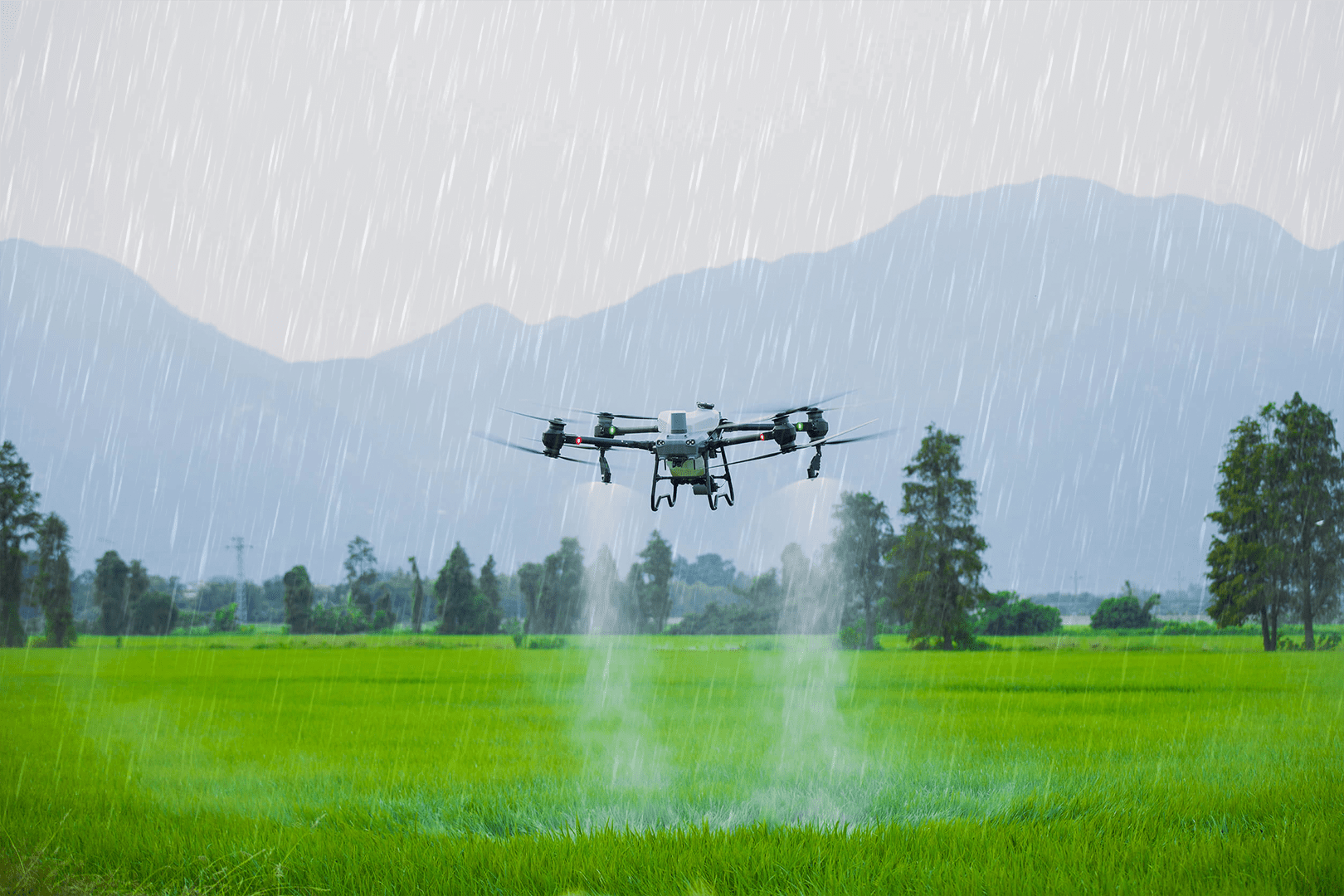
Can the T50 fly in the rain? Yep.
Should you spray in the rain? Probably not.
Rain messes with your spray pattern. Fog messes with your obstacle detection. Snow… well, you already know better than to spray in snow.
Even though the drone’s sensors are good, they’re not magic—and water in the air can confuse both radar and vision systems. We always say: let the drone be tough, but don’t ask it to be invincible.
Inversions: The Subtle Enemy
Inversions are those sneaky little temperature flips where cold air hugs the ground and warm air sits above it. They usually happen early in the morning or in the evening—and they’re terrible for spraying.
Why? Because your droplets can float up instead of down, and then drift off sideways to who-knows-where. We’ve seen it happen with our own eyes—a perfectly good spray job lifting up and redepositing one field over.
No matter how good your drone is, physics still wins.
Final Takeaway
Here’s the thing: the DJI Agras T50 is a beast of a drone. But just like any other farm equipment, it needs smart operators to get the job done right.
So when you’re planning a mission, check your weather—and then check it again.
Ask yourself:
Is the wind under control?
Is the temperature in a good range?
Am I about to lose half my spray to evaporation?
Is that cloud of fog going to mess with my sensors?
Spraying smarter—not harder—means knowing when to fly, when to wait, and how to make the most of every flight window.
Because good spraying isn’t about having the flashiest gear. It’s about getting the job done right, field after field.
Let’s talk about what every spray drone operator wants to hear:
“How do I spray more acres in a day?”
The DJI Agras T50 is a serious workhorse. Under ideal conditions, it’s rated to cover up to 40 acres an hour—but as any real-world farmer knows, we don’t always get ideal conditions.
At Green Aero Tech, we’ve logged thousands of acres with the T50, and we’ve learned that the difference between 20 and 40 acres an hour doesn’t come from pushing the drone harder—it comes from optimizing everything around the drone.
Nail Your Ground Workflow
The biggest time-waster we see? The drone sitting on the ground waiting for you. To keep output high, your job is to keep the drone’s downtime low. That means building a workflow where:
A fresh battery is always ready
The tank is refilled while you swap batteries
You’re not wandering around looking for a hose fitting or mixing jug
Pro tip: Set up your trailer like a pit stop. Crews have gone from 4–5 flights/hour to 8+ flights/hour just by streamlining turnaround time.
Use Three Batteries and a Fast Charger
With the DB1560 batteries and C8000 rapid charger, you can build a rotation that lets you fly continuously.
Here’s how it works:
One battery flies
One charges
One cools and waits
This only works if you have:
A 12kW+ generator (rated for 9,000 W but extra power is ideal)
A 240V dual-cable setup
A cooling fan kit running to manage battery temps in hot weather
It’s not just about having enough batteries—it’s about having the infrastructure to keep them moving
Set Realistic Flight Parameters
Yes, you can fly 35 km/h at a 30-foot spacing—but only with calm wind, flat terrain, and a suitable product.
Our baseline settings:
Speed: 32 ft/s (35 km/h)
Altitude: 10–15 ft above canopy
Swath width: 25–30 ft depending on product
Droplet size: 200 microns (400 on windy days)
Don’t guess—test. Use water-sensitive paper or field trials to calibrate swath width. It pays off with every pass.
Don’t Fight the Wind—Work With It
You might technically fly in 35 km/h wind, but your spray won’t land where it should—and your battery will drain fast.
Recommendations:
Ideal wind speed: under 21 km/h (6 m/s)
Use hedgerows or treelines as wind breaks
Spray into the wind to reduce drift
If wind increases mid-job, slow down or increase droplet size
More speed ≠ more output if you’re not putting product where it’s needed.
Plan Your Flight Smartly
Use DJI’s mission planning tools or mapping apps like DJI Smartfarm or Pix4D Fields to:
Pre-map fields to accurately define boundaries and obstacles
Divide complex fields for multi-drone operations
Save mission plans for reuse
Bonus tip: Use the Mavic 3M for multispectral imaging to support prescription spraying or targeted applications.
Keep Maintenance Tight
Downtime kills productivity. Between flights, check:
Are your spray nozzles clear?
Are your props balanced and clean?
Are your sensors clean?
Any clogs in the tank or lines?
Wipe sensors, remove debris, and tighten loose parts during battery swaps. Five minutes of maintenance can save hours of lost time.
Avoid Rework
This is big: Don’t waste a whole day respraying a job you thought was done.
Test spray patterns, calibrate droplet size, and plan tasks smartly. Overspray wastes product. Underspray wastes time.
Real-World Example
We sprayed a field over two days. On Day 1, light wind and 30-ft spacing gave great results. On Day 2, wind increased but we didn’t adjust. Coverage suffered, and we had to reapply.
Lesson: even small changes like adjusting spacing can make a big impact on quality and efficiency.
Recap: How to Maximize Output
Tip
What It Does
Build a ground crew workflow
Minimizes downtime
Use 3 batteries + C8000 charger
Enables continuous flight
Calibrate swath width
Ensures consistent coverage
Fly in good weather
Prevents wasted product
Pre-plan your mission
Saves time in the field
Do quick maintenance checks
Avoids mid-day breakdowns
Match spray settings to conditions
Increases quality and efficiency
Want to spray 300+ acres in a day? You don’t need more drones—you need a tighter system. The T50 can absolutely do it—but it takes planning, prep, and practice.
Need help dialing in your setup or mapping out a field workflow? Give us a call—we’ve helped farmers across Canada build their ideal spray trailer, flight plan, and maintenance routines.