R-E-S-P-E-C-T: How to Stay Safe When Using a Spray Drone
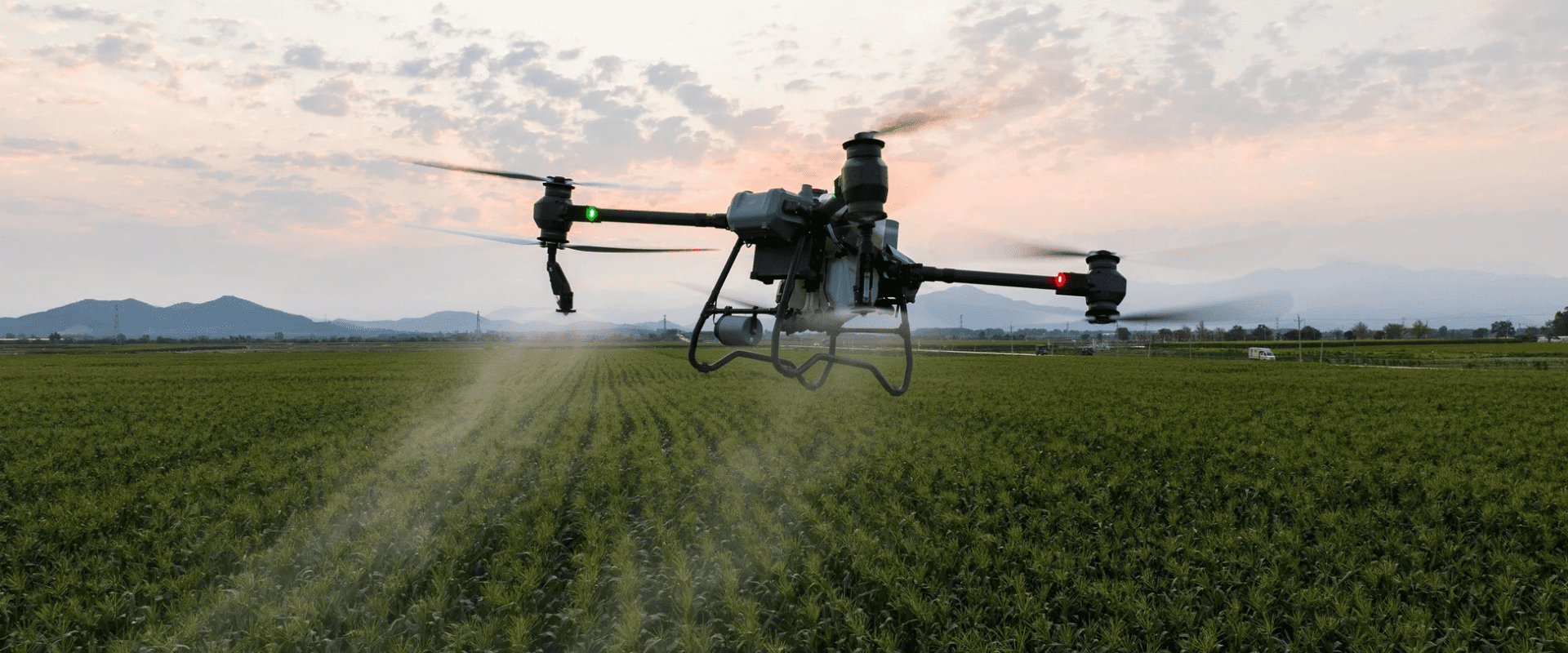
Let’s be blunt—spray drones are not toys.
The DJI Agras T50 is big, fast, and powerful. It’s got a 10-foot wingspan, can fly at 36 kilometers an hour, and weighs up to 227 pounds. That’s great for efficiency—but it also means this isn’t the kind of drone you casually fire up in the backyard for fun.
At Green Aero Tech, we treat our spray drones the same way we treat our tractors, sprayers, or combines: with a healthy dose of respect. In this post, we’re going to share the top safety tips we follow every single time we fly.
First Rule: Act Like It’s Farm Equipment—Because It Is
Just because it flies doesn’t mean it’s not a machine. Treat your T50 like you would a high-clearance sprayer:
- Don’t use it when you’re impaired (yep, that includes being overtired or on cold meds).
- Don’t fly for fun—make sure you are using your drone with a purpose.
- Don’t fly around people or animals that aren’t part of your spraying crew.
And definitely don’t fire it up just to impress your in-laws at the family BBQ. They should already know you’re cool.
Takeoff and Landing: Give It Space
The T50 needs about 30 feet of clear area to safely take off and land. You won’t always get that luxury, especially when you’re tucked between water tanks and trucks—but at minimum, make sure:
- There’s a clear vertical path (no overhanging trees or power lines).
- No one is standing near the drone.
- You’ve thought through how the drone will get in the air—and get back down.
Here’s a tip we use: rotate the drone to face away from you before takeoff or landing. That way, if you’re flying manually your stick inputs match what you see, and it’s easier to stay in control.
Visual Line of Sight (VLOS): More Than a Rule—It’s Just Smart
Transport Canada requires you to keep your drone in sight at all times. But this isn’t just a legal thing—it’s good sense.
The T50 has limited battery life (around 10 minutes per charge). If you lose visual contact over a hill or behind trees, you might not make it back in time to land safely. Keep it in view. Always.
Interference Zones: Avoid Metal Monsters.
Drones and big metal objects don’t mix well. We’ve seen GPS signals go haywire near grain bins with less than happy results for the drone.
If you’re parking your trailer next to a bin yard or flying between two combines, rethink your launch point. A simple rule: stay at least 100 feet away from large steel objects when possible, and especially don’t fly through tight spaces between them.
And never, ever rely solely on obstacle avoidance around complex structures like bins or treelines. Plan your flight path smartly.
Stay Off Other People’s Land
You wouldn’t spray a neighbour’s field with a ground rig without permission, so don’t do it with a drone either.
Spray drones don’t coast for 30 minutes—they’ve got a short window and may need emergency landings. That means you need permission to fly and access to retrieve your drone if something goes wrong.
And if you did need to carry your drone out of a field remember these bad boys can weigh well over 150 lbs when loaded. Save yourself the visit to the chiro.
Keep Non-Crew Away
The T50 might fascinate your kids, but this is not a spectator sport.
Make it a hard rule: no one near the drone unless they’re part of the spraying operation. That includes your curious neighbour, your niece with her phone camera, or the family dog. This thing weighs over 200 pounds loaded—nobody needs to be nearby if something unexpected happens.
Respect the Power (Literally)
This drone runs on serious power. Never:
- Touch or clean the battery while it’s powered on.
- Leave the controller or charging cables exposed to the weather.
- Hose down or pressure wash your batteries.
Lithium battery fires are rare—but real. Always store, charge, and transport your batteries safely. (And yes, we’ll do a full post on battery safety soon.)
Your Best Safety Tool? You.
At the end of the day, no amount of sensors, radar, or AI replaces good judgement.
If something feels off—stop.
If the weather changes—wait.
If you’re distracted—don’t fly.
Spray drones are one of the most efficient tools in modern agriculture, but they also demand respect and responsibility.
Summary: Safety Tips Checklist
- 30 feet of clearance for takeoff/landing
- Always keep the drone in sight
- Stay clear of steel structures and power lines
- Don’t fly over property you don’t have access to
- Keep bystanders, kids, and animals away
- Watch your batteries, props, and cables
- Use common sense—it’s your best safety system
Flying a spray drone isn’t hard—but it does take discipline. Treat your T50 like the serious tool it is, and it’ll serve you well for years to come.
Want a printable version of our spray drone safety checklist? Just let us know and we’ll send one over.